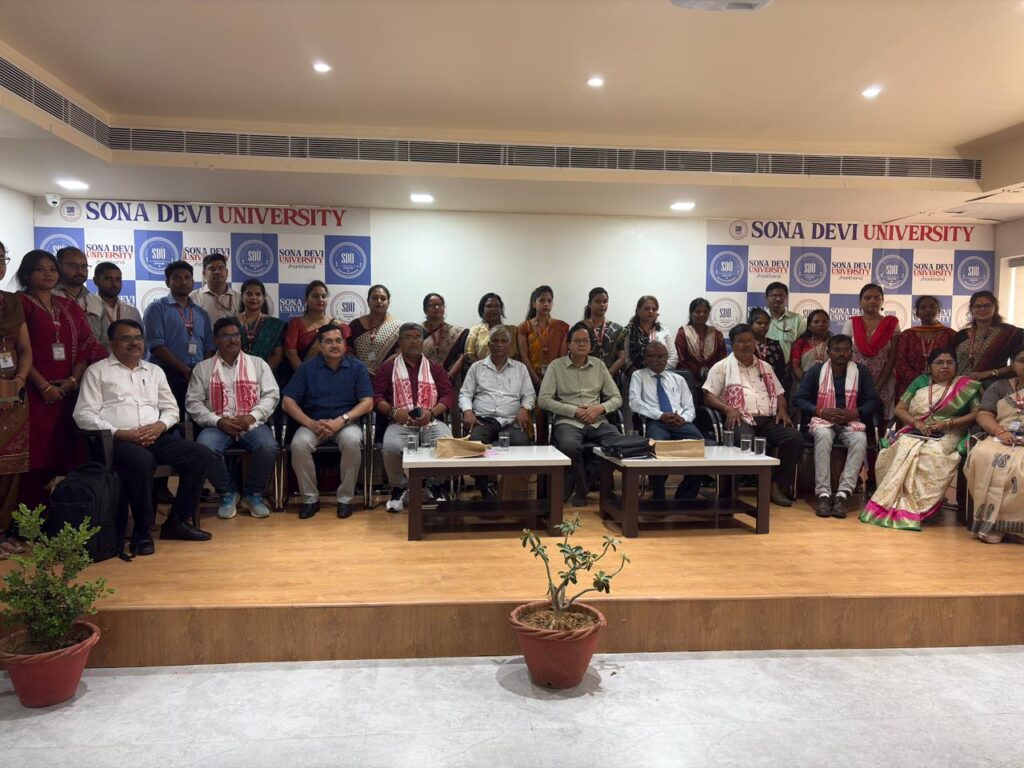
- A seminar on “Regional Journalism in Developed India” was organized today at the Vivekananda Auditorium of Sona Devi University.
- “Only fact-based reporting ensures credibility” – Mr. U.N. Pathak, Editor, Dainik Jagran
- “Regional journalism is the voice of the last person in the country” – Mr. Kavi Kumar, Editor, Azad Mazdoor
- “Being a regional journalist is a matter of pride” – Mr. Devanand Singh, Editor, Rashtr Samvad
- “Start your journalism career through newspapers” – Mr. Jaiprakash Rai, Editor, Ispat Mail
A seminar on the topic “Regional Journalism in Developed India” was organized today at the Vivekananda Auditorium of Sona Devi University. Addressing the students, Mr. U.N. Pathak, Editor of Dainik Jagran, emphasized that news writing should always be based on facts and truth. The purpose of journalism is to serve public interest. He stated that one’s writing should not harm anyone’s dignity or defame individuals. He encouraged students to work with purpose and become the voice of the people.
He further added that governance and administration must take responsibility for development work seriously. Only unbiased journalism can maintain credibility and trust. With rural populations now expecting development similar to urban areas, their aspirations must be fulfilled. He advised that while reporting, especially for digital platforms like YouTube, one should not present one-sided views but include perspectives from all sides before publishing news. Those who aspire to bring change through their writing are the ones building careers in journalism. He also emphasized that regional journalists should not limit themselves to routine news but must report on development-related issues and consistently follow up to create impact.
Mr. Kavi Kumar, Editor of Azad Mazdoor, stated that regional journalism represents the voice of the last person in society. Without it, national development would not be possible. He highlighted that regional journalists work under challenging and sometimes risky conditions, and therefore, police and administration should ensure their safety. He shared his experiences and the history of newspapers in Jamshedpur with the students.
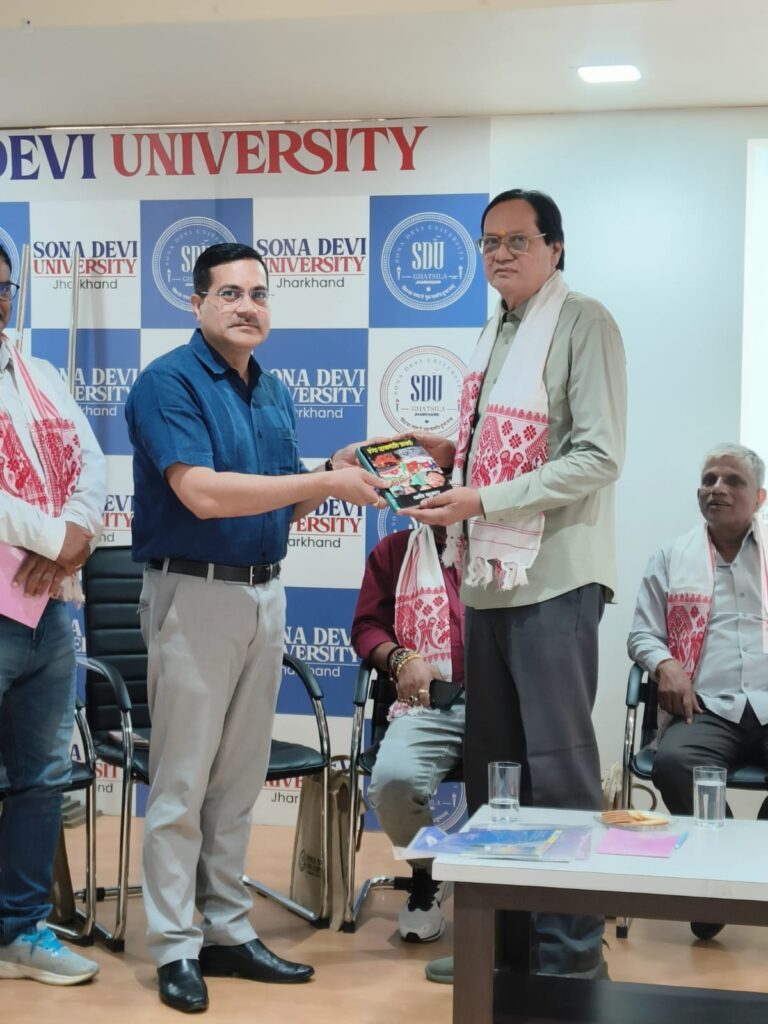
He added that talent eventually receives recognition, though it may take time. Through examples, he explained how regional newspapers have highlighted important issues that were initially ignored by larger media houses. He advised students to listen to their conscience to avoid wrongdoing. He also donated two of his books to the university library.
During the seminar, Mr. Rajesh Singh, Bureau Chief of Dainik Bhaskar, stated that determination is essential to remain credible in this field. He also noted that technological advancements have made journalistic work more efficient.
Mr. Devanand Singh, Editor of Rashtr Samvad, said that being a regional journalist is a matter of fortune. He emphasized the importance of development journalism and the need for society to respect journalists.
Mr. Ravi Prakash, Editor of Jharkhand News 24, shared practical insights on how major news developments receive continuous updates and are incorporated into reporting.
Mr. Mantosh Mandal, Bureau Chief of Dainik Jagran, shared that regional journalists must act as the voice and leaders of the people. Understanding public issues is essential for writing impactful stories.
Mr. Satyendra, Bureau Chief of Khabarmantra, highlighted the importance of understanding the background and challenges of journalism. Referring to P. Sainath, he said that the real story of India lies in its villages, and regional journalists bring these stories forward. He described journalism as a challenging yet rewarding career.
Mr. Jaiprakash Rai, Editor of Ispat Mail, advised students to begin their journalism careers through newspapers and not to treat journalism merely as a means of employment.
Chancellor of Sona Devi University, Mr. Prabhakar Singh, welcomed the distinguished journalists and stated that journalists from Jharkhand are also counted among regional journalists. He emphasized that society must ensure that journalists receive due respect.
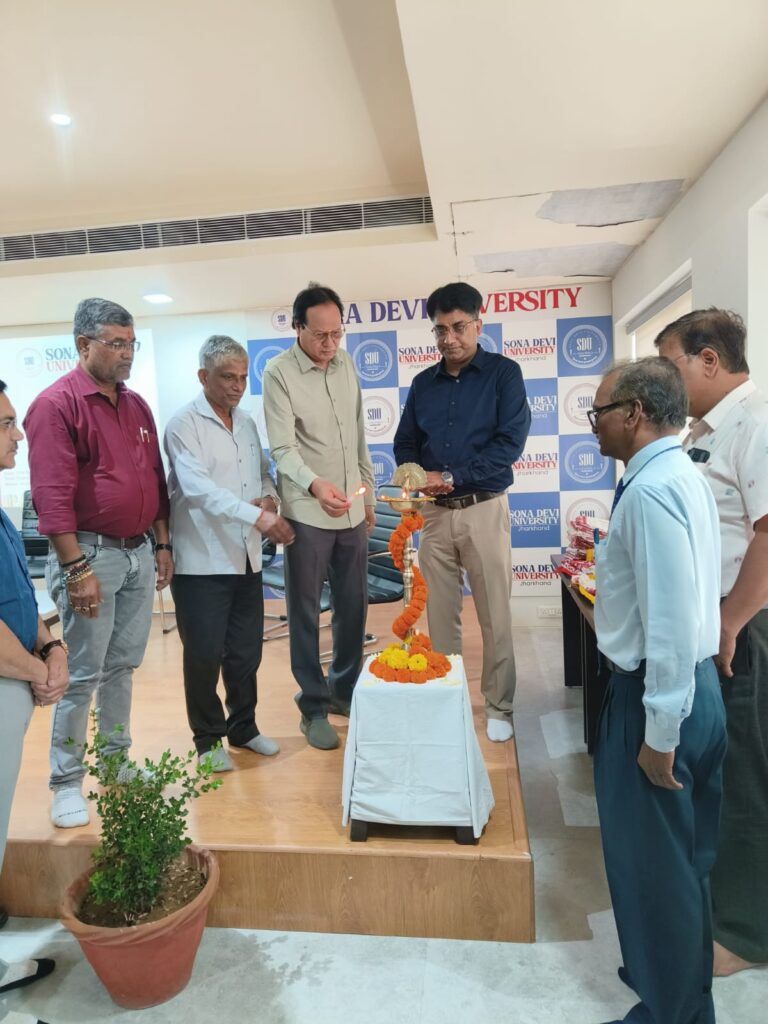
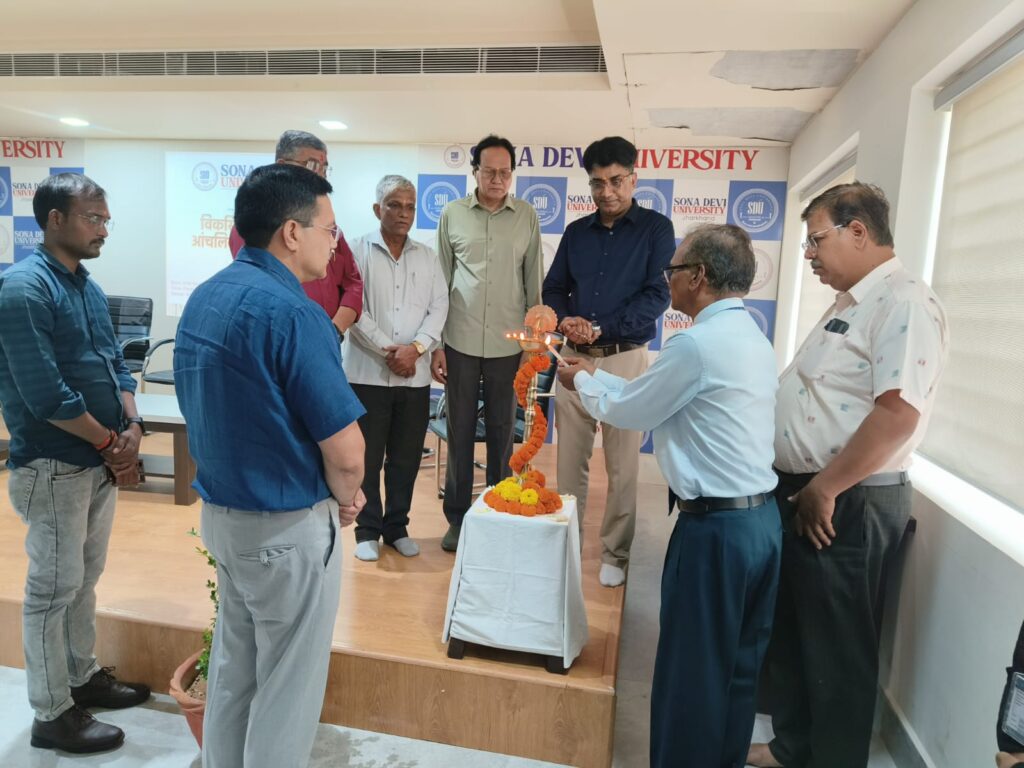
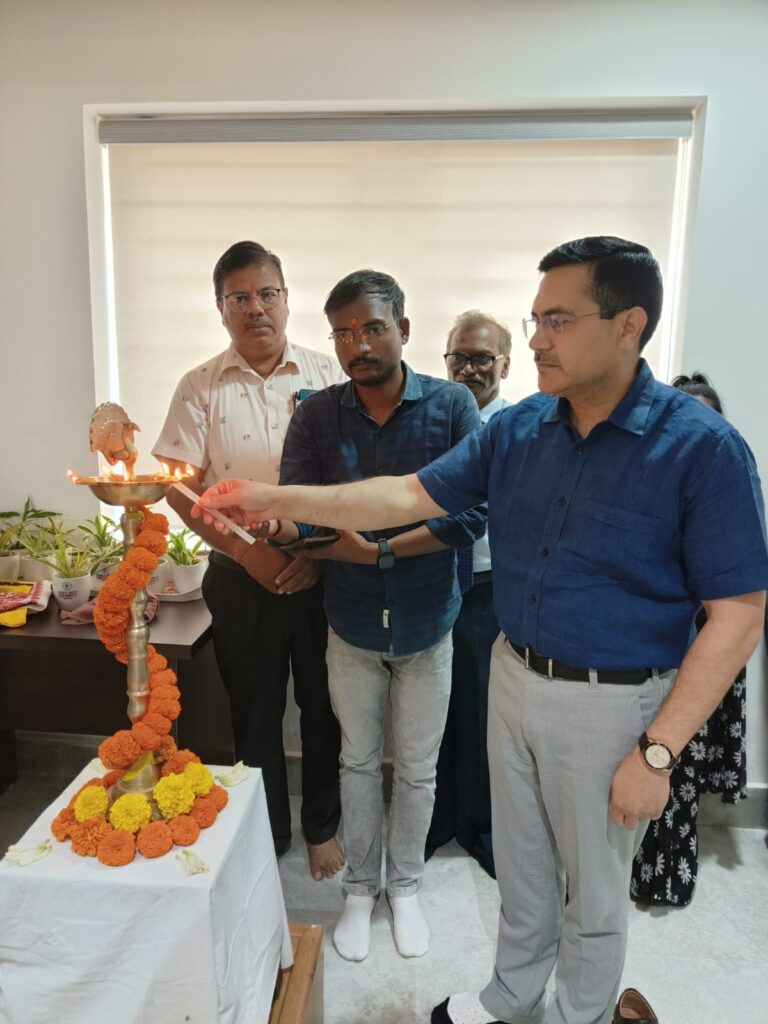
The seminar commenced with the ceremonial lighting of the lamp. Vice Chancellor Dr. Braj Mohan Pat Pingua delivered the welcome address. Dr. Nilmani Kumar, Head of the School of Journalism, introduced the topic, and Registrar Dr. Nit Nayana delivered the vote of thanks. Assistant Registrar Mrs. Archana Singh and Assistant Professor Ms. Nikita from the School of Journalism conducted the program.